The Game Porting Paradox
⏲ 10 min
Please note that I'm not professional game developer and this is based on my own observations and similar issues I encountered while working on my past released and unreleased projects.
We live in a world where a game can sell ten million copies, spawn a Netflix series and still never see a port because someone, somewhere, signed a broken contract. Imagine, that you've just finished building a house. It's awesome: It has a pizzeria-grade pizza oven and a secret passage to Skyrim. Now imagine someone walks up and says: "Cool Bro ! Now rebuild this house, brick for brick, but the bricks are made of wool and the foundation has to be rotated 90 degrees and also the wool are on fire. If you don't do this we're calling a demolition company to tear legally your house down bruh".
That's basically porting a game on some platform with a custom engine if you don't plan portability early, use portable engines or if you don't fully own the intellectual property of your game.
Every single platform has its own proprietary graphics APIs, certification rules and hardware quirks. A game written for PlatformBlue's graphics API can't just hop over to Xbox's DirectX 12 Ultimate without a near full rewrite of rendering backend (if they have remotely the same calls). And don't think about bringing that code to macOS where Apple made their own API Metal, which works only on i/mac-devices.
How you can say the same about Audio APIs, Filesystem hierarchies (Linux it's /usr/bin, Windows uses C:\Program Files), Binary formats, Input handling...
If your game uses a middleware (See my old post on that) like a physics engine, an audio library or a networking stack: you may need to re-license every single one of those for the new platform. And if the middleware company went out of business and shipped only a binary to you in 2011? You're stuck. Maybe that the game engine is tightly coupled to a middleware, a specific architecture or simply breaks on other compilers.
Let's talk about exclusivity deals, you know that JRPG that's been locked to PlayStation since 2010? The one that would may sell a million copies on Steam in a week? Maybe someone probably paid for permanent exclusivity on their platform and no amount of begging, petitions or sacrifices to the gaming gods will free it.
The publisher owns the IP, but the developer owns the engine / game code, the soundtrack may be licensed, but only for console releases.
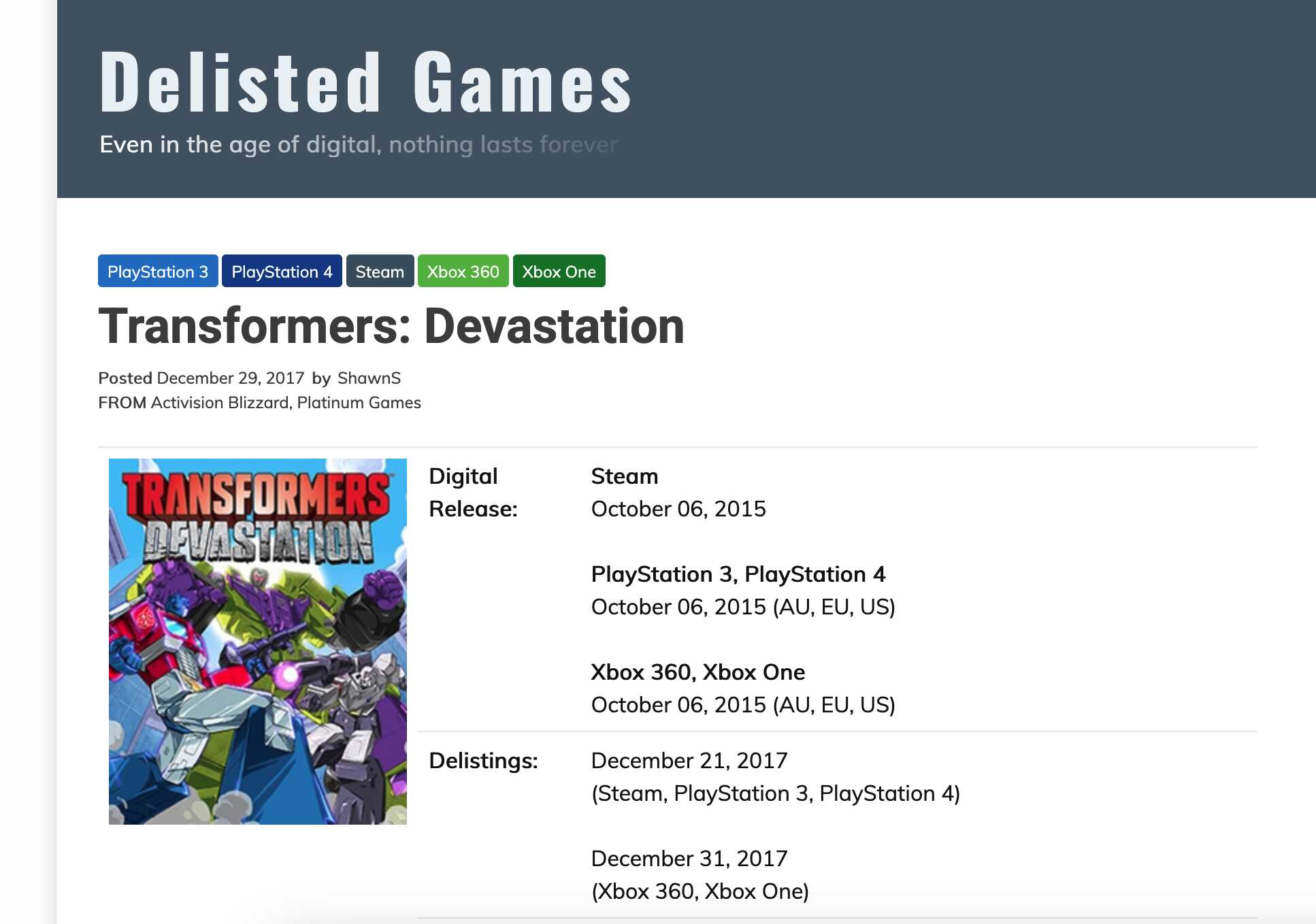
Maybe the voice actors have clauses that prevent reuse of their lines on PC because someone may want use them for another thing. And sometimes, just sometimes, the game's source code is just gone (Silent Hills 3).
Not metaphorically gone. Not "we misplaced it behind the couch". May it be deleted to save server space. Lost in a studio bankruptcy. Or threw across hard drives in a storage unit in Auvergne-Rhone Alpes. Some classic games cannot be ported because the literal raw instructions for building them no longer exist and reverse engineering to rebuild a source tree is as long as making a remake for 60€.
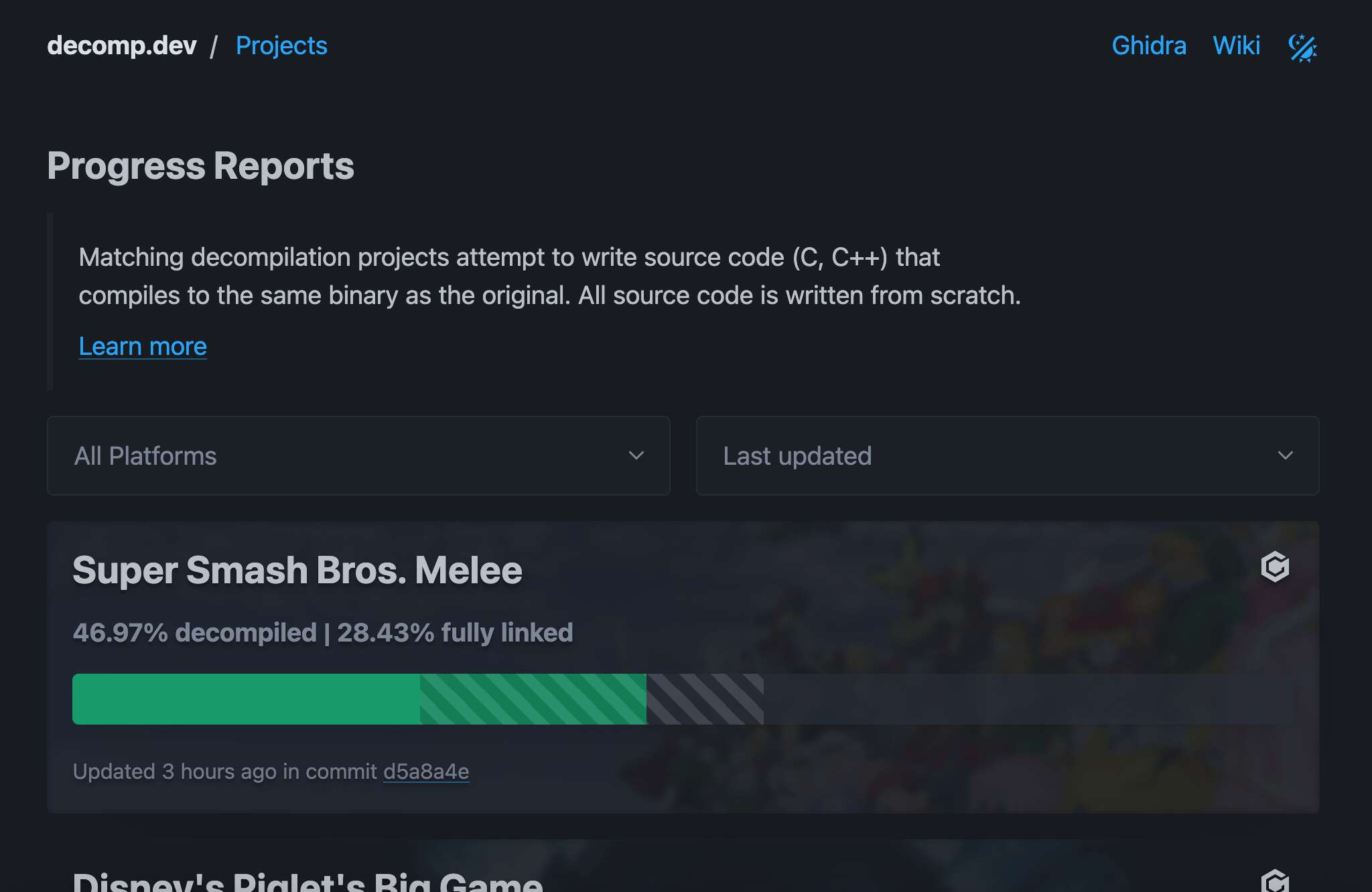
You can't just "recompile" a game from the disc to make few changes. That's like trying to reconstruct a cake from the half-eaten crumbs. You need the source code (or reconstruct an editable "code"), the raw assets (If they are packed), the tools, the documentation (If any) and the knowledge of the original team to recontextualize everything, who have all moved on, changed careers or sells crypto.
Now, a game can be wildly profitable on one platform and still never see a port because:
- The porting and validation budget would cut into the sequel budget,
- The porting cost would exceed the revenue,
- The publisher doesn't want to "dilute the brand" by making it too available,
- The platform holder offers a bigger check for exclusivity than the port would earn,
- The studio would rather make new games than old games work on new systems.
And let's not forget piracy which is a bogus reason: "We can't port to PC, it'll just get pirated!", while ignoring the fact that every game gets pirated anyway (Even on console, Denuvo has a Switch port) and legitimate customers outnumber pirates (see the GoG initiative).
And so on Reddit you will read: "I WILL GIVE YOU MONEY PLEASE TAKE MY MONEY JUST LET ME PLAY THE GAME I DON'T WANNA BUY A PLATFORMBLUE".
Now, let's go on a tangent, you thought console-to-PC was bad? I limited PC to Windows/x86, but what about Linux / MacOS ?
Windows has DirectX and is the most supported graphics API, but also the most proprietary. Want to use Vulkan? Sure, good luck!. And don't even think about OpenGL to rebuild your next-gen low-level graphic pipeline around...
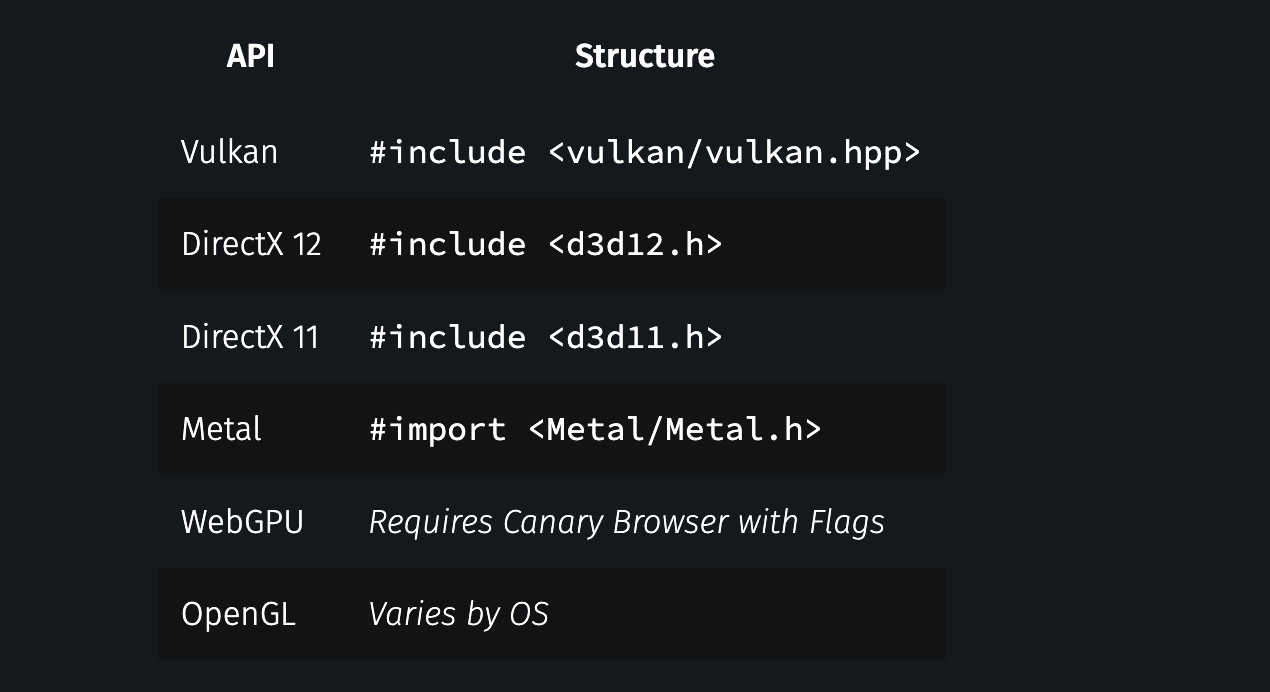
Linux has Vulkan, OpenGL and a hundred different window managers, audio servers and driver combinations. Your game might run perfectly on Ubuntu 24.04 with an AMD GPU and PipeWire, but crash instantly on Arch with an Nvidia card and JACK. And the community will blame the dev for not supporting their obscure setup. Also, the market share is tiny, so publishers ignore it entirely and rely on Proton/Wine, because Win32 API is a more stable API/ABI.
Like I said before, Apple has Metal, which is fast and tuned for their chip but only works on macOS. No Vulkan. No OpenGL. No DirectX. Just Metal. And if you want to use a compatibility layer like MoltenVK? Apple won't endorse it, so you're on your own if it breaks unfortunately. The macOS OpenGL supports up to OpenGL 4.1 and, from the Asahi Linux team, the implementation is not conformant.
So now you're not just porting a game. You're building three different versions, each with its own graphics pipeline, audio backend, input handling and certification process. And for what? A player base that's fractioned, hostile and some are really convinced you're part of a dumb conspiracy to destroy their platform.
And if we still have the source code, no expensive middleware, custom IP and that player wants the game, it may not still happen.
Games still don't get ported because someone, somewhere, decided it wasn't worth the effort. It's not always some technical or legal obstacle. Sometimes laziness or short sightedness. A publisher looks at a classic and says: "Heh, let's make a live service battle royale instead" (Unreal Tournament?).
What's left ? Console exclusives that die with their hardware and communities begging for ports that will never never come.
We could demand better preservation, we could push for definitive cross-platform standards, we could refuse to buy exclusivity deals that lock games behind gates. We won't, because we're too busy arguing about frame rates and DLCs while the games we love may disappear forever.
Maybe that's why your favorite game will never get a port. Not because it's impossible, not because it's unprofitable. But because the system is broken and nobody with the power to fix it cares enough to try. At least, some emulators and compatiblity layers exists for this, even if they are imperfect: emulation, Proton/Wine on Linux, MoltenVK for an 90% substitute of Vulkan for macOS, ANGLE/BGFX for graphics backend layer, SDL for input/window management, ...
That's it for me folks, I should tone down the salt one day.
See you next time.
Further reading:
- https://michaeledwards.uk/legal-issues-in-licensing-agreements-for-the-gaming-industry/
- https://en.wikipedia.org/wiki/Intellectual_property_protection_of_video_games
- https://waterfront.law/part-1-software-licensing-in-video-game-development-a-practical-guide/
- https://news.ycombinator.com/item?id=44581641
- https://alain.xyz/blog/comparison-of-modern-graphics-apis